

Onyx Coffee Lab vs Counter Culture: Which Wins in 2026?
Table of Contents
- Onyx Coffee Lab vs Counter Culture at a Glance
- Onyx Coffee Lab: Roast Profiles, Sourcing, and Subscription Terms
- Best Counter Culture Coffee: Flavor Notes, Blends, and What Regulars Buy
- Counter Culture Coffee Subscription: How It Works and What It Costs
- Best Coffee for Pour-Over: How Each Roaster Performs
- Price, Value per Ounce, and Where Each Roaster Leaves a Gap
- Which Roaster Should You Pick?
- Frequently Asked Questions
Last Updated: October 9, 2026
Onyx Coffee Lab vs Counter Culture at a Glance
Onyx Coffee Lab vs Counter Culture is one of the most common head-to-head searches in specialty coffee, and the honest answer is that they win in different rooms: Onyx for experimental processing and competition-grade lots, Counter Culture for dependable, widely distributed blends and a deep training program. At Mike's Coffee, we roast to order in disciplined small batches, which ensures maximum flavor and aroma.
Here's the catch most comparison posts skip: neither roaster publishes one universal price. Cost depends on origin, lot size, and whether you're buying a year-round blend or a micro-lot, so any single number you see quoted is probably stale.
Below, we break down roast profiles, sourcing, subscription terms, pour-over performance, and value per ounce so you can pick with your eyes open.
Onyx Coffee Lab: Roast Profiles, Sourcing, and Subscription Terms
Onyx built its reputation on light-to-medium roast profiles and experimental processing. Their lineup leans heavily toward single-origin coffee, with washed process and natural process lots sitting side by side, plus the occasional anaerobic or co-fermented release.
Sourcing is where they're strongest. Onyx names the producer, the variety, and often the specific lot, which is exactly what you want if you're chasing a particular flavor note. The trade-off is consistency: a coffee you loved in March may simply not exist in June.
An Onyx Coffee Lab subscription typically runs on a recurring schedule with a fixed interval, and pricing scales with the coffee you select rather than a flat rate. Expect to pay more for competition-tier lots and less for their standard blends.
Best Counter Culture Coffee: Flavor Notes, Blends, and What Regulars Buy
Counter Culture's strength is the opposite of Onyx's: consistency at volume. Their year-round blends are the reason cafes across the country pour them daily, and the flavor profiles are designed to taste the same in January and July.
For the best Counter Culture coffee, regulars tend to gravitate toward their flagship blends rather than the rotating single-origin coffee. Those blends are built for balance: moderate acidity, a fuller body, and sweetness that holds up with milk.
Their single-origin releases rotate seasonally, usually with a washed process base and clear tasting notes on the bag. If you want a coffee you can reorder without thinking, that's the appeal.
Where it falls short: the blends are engineered for broad appeal, so if you want a wild, fruit-forward cup, their year-round lineup will feel tame.
Counter Culture Coffee Subscription: How It Works and What It Costs
A Counter Culture coffee subscription is built around flexibility rather than a fixed box, and that structure is the whole story. You pick a cadence, pick a coffee or let them choose for you, and the price tracks the coffee you selected rather than a flat subscription fee. That is the opposite of a lock-in model, and it changes how you should budget.
Here is the mechanism in plain terms. Most roaster subscriptions fall into one of two shapes: a fixed plan (one price, one cadence, one style of coffee) or a variable plan (price follows the bag). Counter Culture runs the variable shape.
What that buys you:
- Cadence control. You choose the interval, and you can pause or skip a shipment when you travel or when you still have half a bag left. This is the single biggest advantage over fixed-box subscriptions, which keep shipping whether you drink the coffee or not.
- Coffee rotation. You are not locked into one blend. You can bounce between a year-round blend and a rotating single-origin lot, which is useful if you want a dependable daily cup plus an occasional experiment.
- No flat fee to anchor against. Because price tracks the coffee, a month of flagship blend and a month of a seasonal single-origin will not cost the same. Budget for a range, not a number.
The trade-off is predictability. A fixed plan lets you set it and forget it. A variable plan rewards attention: if you do not check what is shipping, you can end up paying micro-lot prices for a coffee you meant to drink as an everyday cup.
Shipping terms matter here too, and this is where most comparison posts go quiet. The freshness clock starts at the roast date, not the ship date. A common pattern is that roasters ship within a few days of roasting, then transit adds time you cannot control.
Counter Culture subscription terms and current pricing
Best Coffee for Pour-Over: How Each Roaster Performs
For pour-over, the best coffee is whatever was roasted recently and ground correctly, and that matters more than the roaster's name. But once you hold freshness constant, the two roasters diverge in ways that change how you brew.
Onyx for pour-over. Onyx's lighter lots reward a gooseneck kettle and a slightly higher water temperature. Their brighter, more acidic coffees can taste thin if you rush the pour or use water that is too cool, because light roasts are denser and extract more slowly. Practical adjustments that most practitioners find helpful:
Single Origin Favorites Sample Pack →
- Grind slightly finer than you would for a medium roast, then adjust one click at a time.
- Use water just off boil for light lots; a lower temperature under-extracts and reads as sour.
- Slow the pour. A faster pour shortens contact time and pushes the cup toward thin and tea-like.
Counter Culture for pour-over. Their blends are more forgiving. The balance and body mean a slightly sloppy pour still produces a drinkable cup, which is why they show up in so many cafes.
The variable nobody controls: roast date. This is the gap most comparisons skip. A bag roasted four days before it reaches you tastes dramatically different from one roasted four weeks prior. For pour-over specifically, the sweet window is narrow.
That difference is why the same bag can taste bright and complex on day five and dull on day twenty-five, even with identical grind and water.
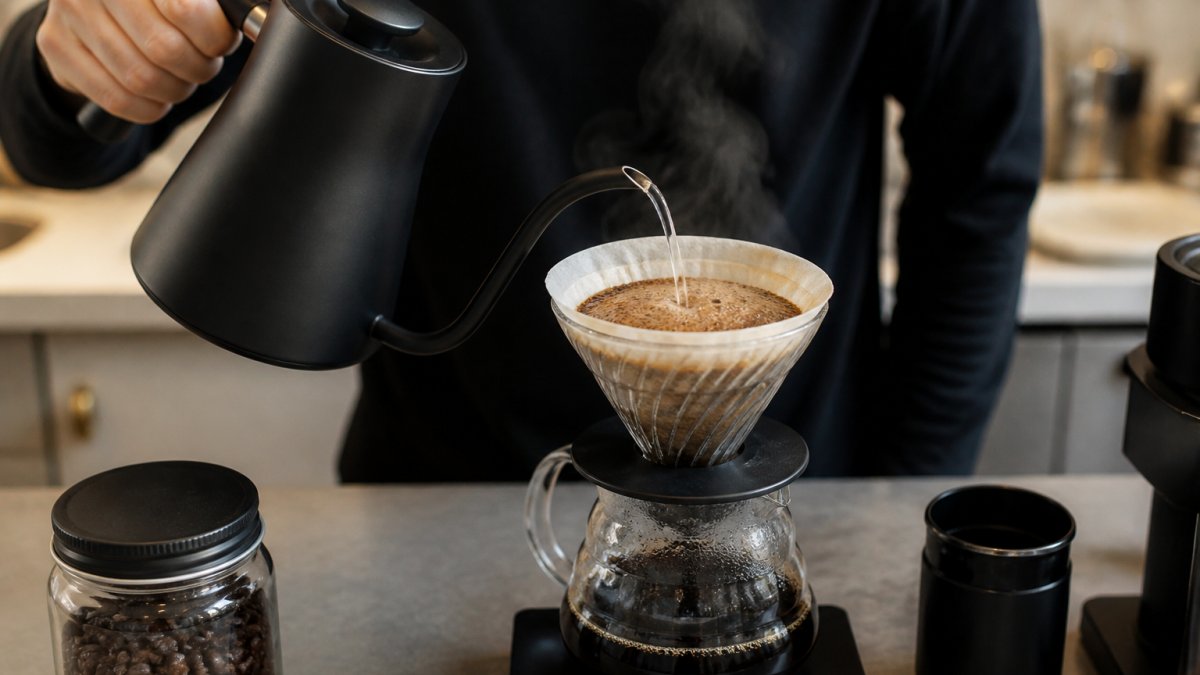
Grind size is the lever most people ignore. If your cup tastes sour, grind finer. If it tastes bitter and hollow, grind coarser. That single adjustment fixes more pour-over problems than switching roasters ever will.
Match the coffee to the brew, not the brew to the hype. Light, experimental lots reward attention and a finer grind; balanced blends forgive a rushed morning. Neither is better, they are built for different routines.
Price, Value per Ounce, and Where Each Roaster Leaves a Gap
Value per ounce is where both roasters leave an opening. Neither publishes a single flat price, because their coffee ranges from everyday blends to limited micro-lots, and the per-ounce math swings widely across that range.
The gap is freshness and predictability. A subscription delivers convenience, but you're paying for a coffee that was roasted days before it shipped and then sat in transit. For a 12-ounce bag consumed over two weeks, the last cups are noticeably flatter than the first.
That's the case for roasting to order. Mike's Coffee roasts in disciplined small batches using precision thermal mapping, so the bag you open was roasted for your order, not pulled from a warehouse pallet. Our single-origin selections, including our Ethiopia Natural and Colombia lots, are meticulously crafted for maximum aroma and flavor, eliminating bitter industrial production noise.

| Factor | Onyx Coffee Lab | Counter Culture | Mike's Coffee |
|---|---|---|---|
| Roast focus | Light to medium, experimental | Medium, year-round blends | Small-batch, roasted to order |
| Sourcing transparency | Named producer and lot | Blend-focused, seasonal singles | High-elevation estate single origins |
| Subscription model | Recurring, scales with coffee | Flexible cadence, variable price | Roasted to order, no lock-in |
| Best for | Chasing rare lots | Cafe-grade consistency | Freshness and daily focus |
Which Roaster Should You Pick?
Pick Onyx if you want to chase rare, experimental lots and you enjoy a coffee that changes every few months. Pick Counter Culture if you want a dependable blend you can reorder forever, especially if you brew for a household with mixed tastes.
Pick neither if freshness is your priority. That's the honest answer most comparisons avoid, and it's the one that matters most for flavor.
If you want a daily cup that supports long focus blocks without the afternoon crash, our sample packs are the cheapest way to find your match. The Single Origin Favorites Sample Pack at $24.99 lets you taste six origins side by side, and the Best Sellers Sample Pack at $24.99 covers our house blends and espresso-ready options.

Frequently Asked Questions
What is the difference between Onyx Coffee Lab and Counter Culture?
The biggest difference is roast style and sourcing philosophy. Onyx Coffee Lab leans toward lighter, fruit-forward roast profiles that highlight single-origin character, while Counter Culture offers a broader mix of blends and single-origins across a wider roast range. Onyx tends to cost more per bag, and its subscription ships on a fixed cadence. Counter Culture's subscription is more flexible in frequency and bag size.
Which is better for pour-over, Onyx Coffee Lab or Counter Culture?
For pour-over, lighter roasts with clear acidity and sweetness work best. Onyx Coffee Lab's light-roast single-origins fit that profile well, especially its fruit-forward Ethiopian and Kenyan lots. Counter Culture also offers pour-over-friendly options, particularly its single-origin releases. The deciding factor is your grinder and recipe: a medium grind with a 1:16 ratio and a 2:30 to 3:00 total brew time will get the most out of either roaster's beans.
Is Onyx Coffee Lab worth the price?
Onyx Coffee Lab sits at the higher end of specialty pricing, often $20 to $25 per 10-ounce bag or more for limited lots. Whether that is worth it depends on how much you value traceability and competition-level roasting. If you drink one carefully brewed cup a day and want distinct origin character, the cost per cup is still lower than most cafe drinks. If you go through a pot every morning, a mid-priced single-origin or a sample pack will stretch further.
Which roaster is better for coffee subscriptions?
It depends on how much control you want. Onyx Coffee Lab subscription plans tend to be more curated, with the roaster choosing what ships and fewer options to swap. Counter Culture coffee subscription plans give you more say over bag size, frequency, and whether you get blends or single-origins. If you like surprises and trust the roaster's picks, Onyx works well. If you want to lock in a specific coffee you already love, Counter Culture's flexibility is the better fit.
Which Onyx or Counter Culture coffee should a beginner try first?
Start with a medium roast that balances sweetness and acidity rather than a light or dark extreme. A medium-roast Colombian or Peruvian single-origin is a safe entry point from either roaster, and it brews well in a drip machine, pour-over, or French press. If you want to explore before committing to a full bag, a sample pack of 2-ounce portions lets you taste several origins side by side for around $25, which is far cheaper than buying four full bags.
Weighing two well-known roasters is genuinely hard, and the deciding factor usually isn't the name on the bag. It's how recently the coffee was roasted and how well it matches your brew method. At Mike's Coffee, we roast specialty-grade beans to order in small batches, using precision thermal mapping to protect aroma and cut the bitter edge that long storage creates. Explore our single-origin selections and sample packs, and taste the difference freshness makes in your morning cup.